Fiduciary duty is the highest standard of care imposed by either equity or law. It exists when one person (the fiduciary) is entrusted to manage the assets or interests of another (the beneficiary).
In the context of a Town official or CFO, the “fiduciary” is the officer, and the “beneficiary” is the taxpayer. The duty requires the fiduciary to act solely in the beneficiary’s best interest, setting aside any personal gain or the interests of outside parties (like a bank).
The Two Pillars of Fiduciary Duty
- Duty of Loyalty: The fiduciary must act without a conflict of interest. They cannot use their position to benefit themselves or a third party at the expense of the beneficiary.
- Duty of Care: The fiduciary must act with the same diligence and skill that a “prudent person” would use in managing their own affairs. In municipal finance, this means not exposing taxpayer funds to unnecessary risk or predatory terms.
Crimes Resulting from Failure of Duty
When a fiduciary moves from “bad management” into “criminal conduct,” the legal system applies specific charges. In Texas, these are primarily found in Chapter 32 of the Penal Code.
1. Misapplication (Misuse) of Fiduciary Property
This is the “heavy hitter” in municipal finance cases. It occurs when a person intentionally or knowingly handles property in a way that involves a substantial risk of loss to the owner of the property.

- The Threshold: You don’t have to actually steal the money (embezzlement) to be guilty. You only have to handle it in a way that violates an agreement or law and creates a risk for the beneficiary.
- Application: If a CFO places funds in an investment they know is high-risk or predatory, or fails to follow state investment statutes, they can be charged with misapplication.
2. Breach of Fiduciary Duty (Constructive Fraud)
While often a civil matter, if a fiduciary hides information—such as the true cost of interest or a relationship with a bank—it can be prosecuted as a form of fraud. This is because the beneficiary (the public) is legally entitled to the “full and fair disclosure” of all material facts.

3. Abuse of Official Capacity (Texas Penal Code 39.02)
This applies specifically to public servants. It occurs when an official:
- Violates a law relating to their office.
- Misuses government property, services, or personnel with the intent to obtain a benefit or harm another.
- Example: Using city resources to benefit a specific financial institution in exchange for future employment or personal favors.
4. Bribery or Illegal Perquisites
If a fiduciary accepts any benefit (trips, gifts, “hospitality”) from a vendor—like a bond underwriter or a bank executive—in exchange for steering city business toward that vendor, it crosses the line into a felony.
The “Addison Application”
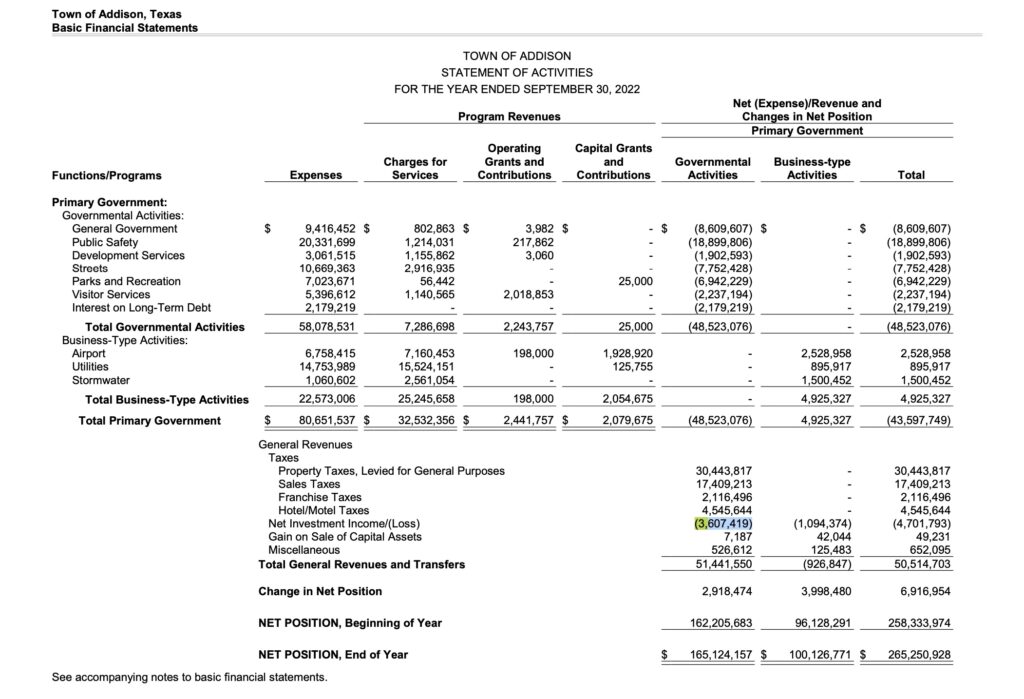
If a municipal official is aware that an institution like JPMorgan has a documented history of “bid-rigging” in the municipal market (the 2011 DOJ case) and continues to prioritize that relationship over safer, more transparent alternatives, a legal argument could be made regarding a Breach of the Duty of Care.
By ignoring the “substantial risk of loss” or the “anticompetitive” history of a vendor, the fiduciary may be placing the taxpayers’ property at risk. In a “slow-motion heist,” the “misapplication” isn’t a single bag of cash moving out the back door; it is the intentional signing of contracts that extract wealth via interest and fees under terms that a “prudent person” would never accept for their own money.