The Myth of the Seattle Basement
The corporate mythology surrounding the Corpse of Microsoft is built on the classic narrative of the sweater-wearing, benevolent tech genius who revolutionized the personal computer from a humble garage or basement. The marketing wants you to believe that superior innovation won the market. The structural reality shows a completely different blueprint: Anti-Competitive Lock-In.
Microsoft did not conquer the tech world by out-innovating the competition; they conquered it by securing restrictive, exclusive licensing contracts with hardware manufacturers. By ensuring that their operating system was pre-installed on practically every commercial machine before it ever left the factory, they effectively locked the consumer into a closed-loop environment.
This contract-driven monopoly removed the necessity for organic innovation. It created a reality where millions of citizens are forced to operate substandard, glitch-prone Windows interfaces at their workplaces every day, only to return home to utilize vastly superior, more intuitive software on their personal devices. The system was designed to ensure you have no alternative routes.
The Antitrust Illusion
During the late 1990s, the United States Government launched a highly publicized antitrust lawsuit against Microsoft, alleging massive anti-competitive practices and moving to break up the monopoly. Decades later, the results of that “intervention” speak for themselves: the Corpse of Microsoft is now valued at a staggering multiplier of its worth during the peak of the litigation.
The disruption didn’t dissolve the power structure; it consolidated it. As the public theater of the antitrust trial played out in open court, the true mechanics of influence were shifting behind closed doors.
The Backroom Network: The Epstein Disconnect
To understand how massive conglomerates maintain immunity and expand their footprints after facing state dissolution, one must examine the networks of influence that bypass traditional oversight entirely. Public records reveal that during the exact window in 1993 when federal antitrust pressure was escalating, specific alternative channels were highly active—including documented visits by figures like Jeffrey Epstein to institutional power centers.
The intersection of Bill Gates and the Epstein network has been subject to intense scrutiny following the unsealing of various internal files and communications. In private correspondence and investigative leaks, the nature of these interactions suggests a level of leverage and access that goes far beyond philanthropic collaboration.
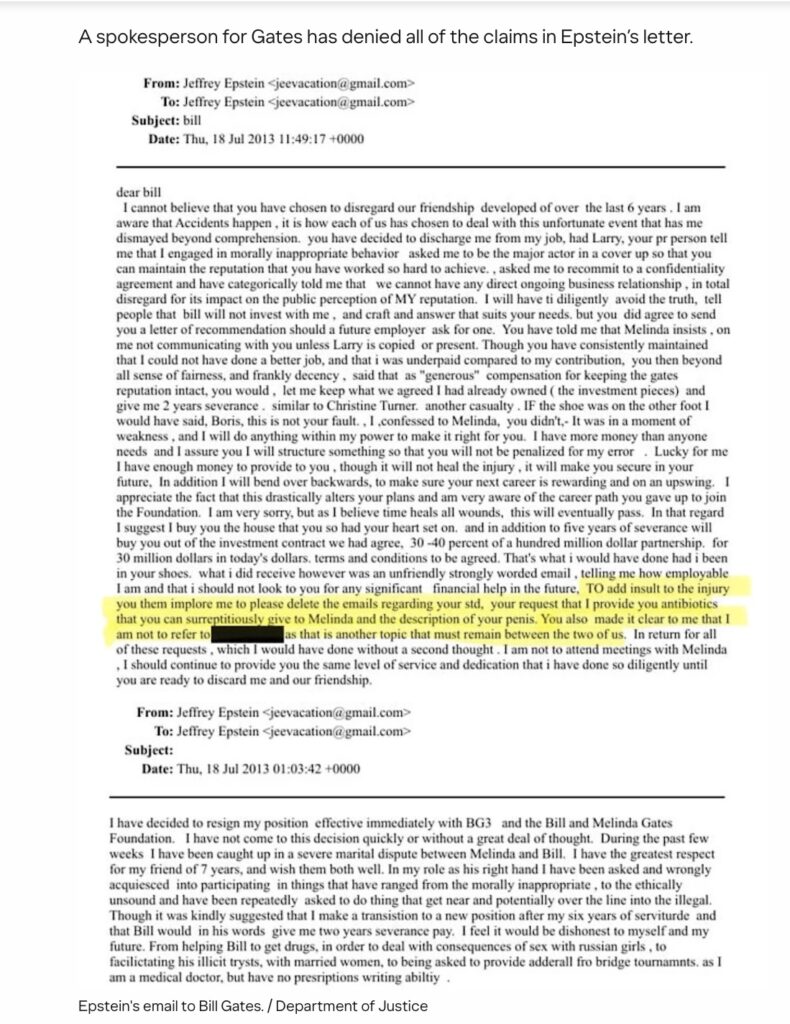
When analyzing these networks, the question for the independent researcher isn’t just about the personal misconduct hidden behind high walls; it’s about the broader vulnerability of the public. If the leadership of a global entity responsible for massive digital infrastructure and global health initiatives is compromised within an unaccountable, closed-door network, the integrity of everything they distribute—from software updates to global medical interventions—is brought into question.
AUDITOR’S VERDICT:
“The Corpse of Microsoft is the ultimate example of a protected monopoly. They used contracts to kill the free market in the 90s, and they used philanthropy to buy an unassailable reputation in the 2000s. They hide behind the ‘Human Shield’ of universal utility, telling you that society cannot run without their systems. Our job is to show the reader that a system built on backroom leverage and forced compliance is not a utility—it is a trap.”