SUBJECT: The Institutional Defense of the Kentucky Depository
Phase 1.1: The Fortress Logic (Official Narrative)

This section establishes the ‘Steel Man’ of the official Treasury position—Fort Knox is full of gold.
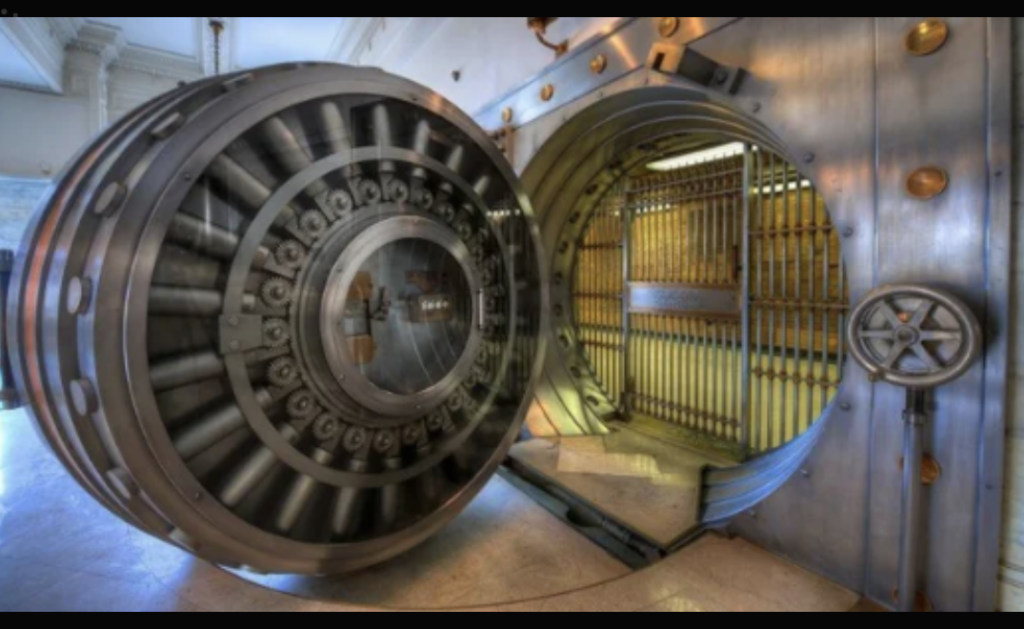
I. The Hardware: Zero-Point Containment The U.S. Bullion Depository at Fort Knox is presented as an impenetrable fortress within the National Security architecture.
- Structural Hardening: Engineered with 16,000 cubic feet of granite and 4,200 cubic yards of concrete, reinforced with high-tensile steel mesh.
- The 22-Ton Shield: The vault is sealed by a drill-and-torch resistant barrier. Access requires a ‘Compartmentalized Combination’—a protocol where no single official possesses the full sequence, ensuring the asset remains under ‘Permanent Custody.’
II. The Software: The Paper Audit Trail The Treasury’s Office of the Inspector General (OIG) maintains that asset integrity is verified through a closed-loop ‘Seal Verification’ methodology.
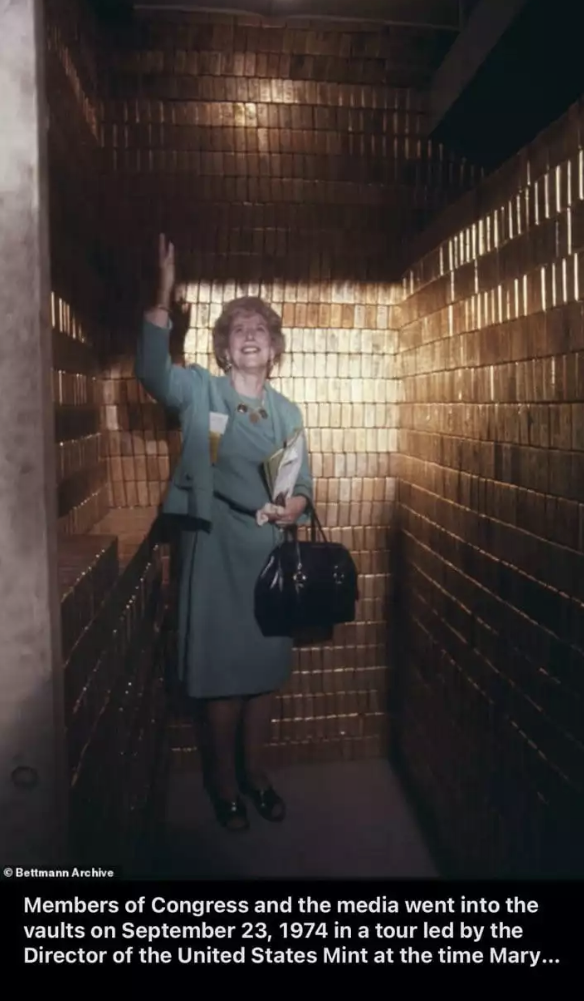
The Joint Seal Protocol: 95% of the gold is held in ‘Deep Storage.’ The OIG relies on the preservation of ‘Official Joint Seals’—many dating back to the 1953 inventory—as forensic proof of containment.
- The Narrative Anchor: By carrying the bullion at a statutory price of $42.2222 per ounce, the Treasury creates a ‘Fixed Render’ for the economy. This prevents the public from auditing the true value of the reserve against the escalating debt of the 1984 Blueprint.