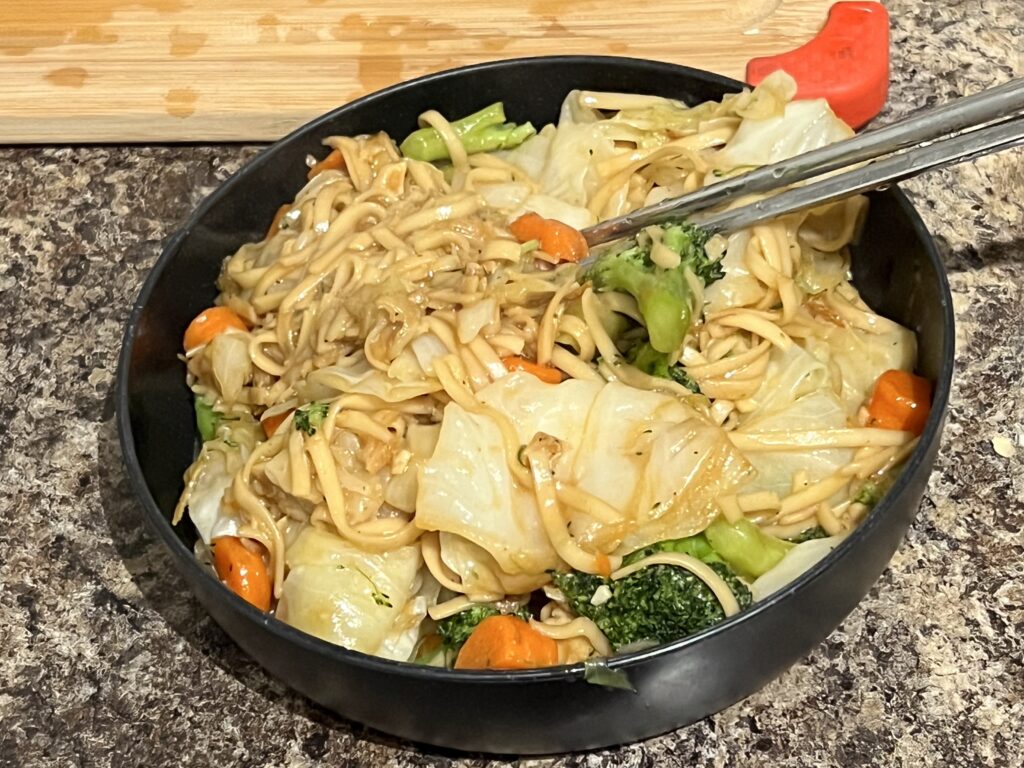
LABORATORY MODULE 101: THE MAILLARD EXTRACTION (LO MEIN)
Objective: To transform raw biological matter into high-energy, bioavailable nutrients through controlled thermal degradation and enzymatic reactions.
I. THE REAGENTS (INVENTORY)
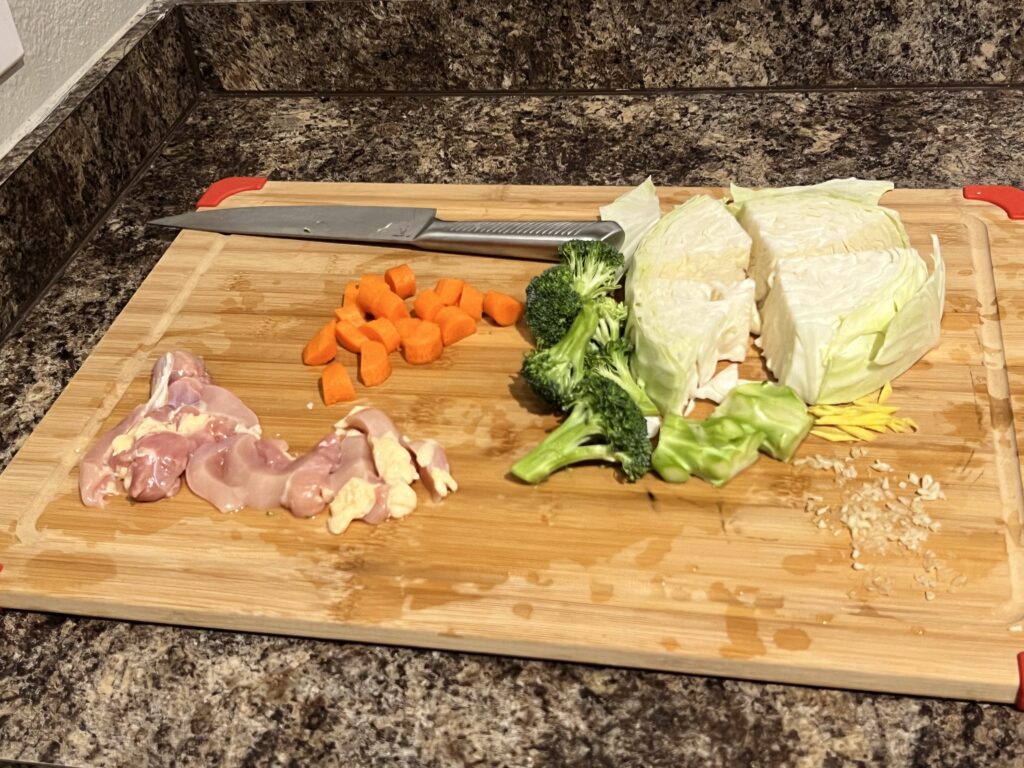
- The Substrate (Noodles): Complex carbohydrates. These act as the vehicle for the lipid-based flavor delivery system.
- The Biological Protein (Chicken): Muscle tissue containing high concentrations of amino acids.
- The Catalyst Group (Aromatics): * Allium sativum (Garlic): Contains Allicin, a sulfur compound that remains inert until the cell walls are ruptured.
- Zingiber officinale (Ginger): Contains Gingerol, which undergoes a chemical transformation into Zingerone when heat is applied.
- The Aqueous Audit (The Sauce):
- Soy Sauce: A fermented solution rich in Glutamates (the molecular basis of Umami).
- Sesame Oil: A hydrophobic lipid with a low smoke point, used for its aromatic volatile compounds.
- Sucrose (Brown Sugar): Used to initiate the Caramelization process.
II. THE EXPERIMENTAL PROCEDURE
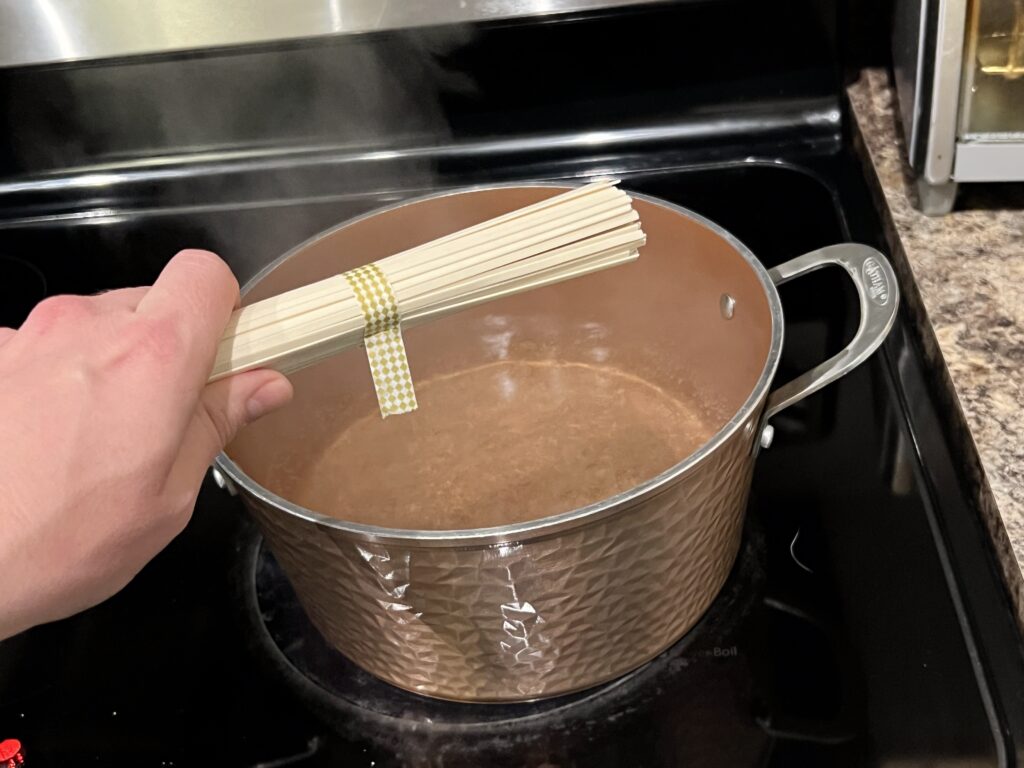
Step 1: Hydration of the Polymer (Boiling the Noodles)
Introduce the complex carbohydrates to a boiling water environment. This is Starch Gelatinization. You are breaking the intermolecular bonds of the starch molecules to allow water to enter and expand the matrix.
- Observation: Aim for “Al Dente”—the point where the starch is hydrated but the structural integrity remains. (4 min)
Step 2: The Maillard Reaction (Searing the Protein)
Place the sliced protein into a high-temperature environment (300°F).
- The Chemistry: This is not “browning.” This is a chemical reaction between amino acids and reducing sugars. You are creating hundreds of different flavor molecules that do not exist in the raw state.
- Audit Note: If the pan is too cold, the protein will merely “boil” in its own cellular fluid. You must maintain the thermal energy to achieve the reaction.
Step 3: Volatile Compound Activation (The Aromatic Flash)
Introduce the minced garlic and ginger to the hot lipids (oil).
- The Science: The heat acts as a solvent, extracting the essential oils and sulfur compounds from the plant matter. If the temperature is too high for too long, the molecules will carbonize, resulting in a “Bitter Signal” (Noise).
Step 4: Surface Area Integration (The Stir-Fry)
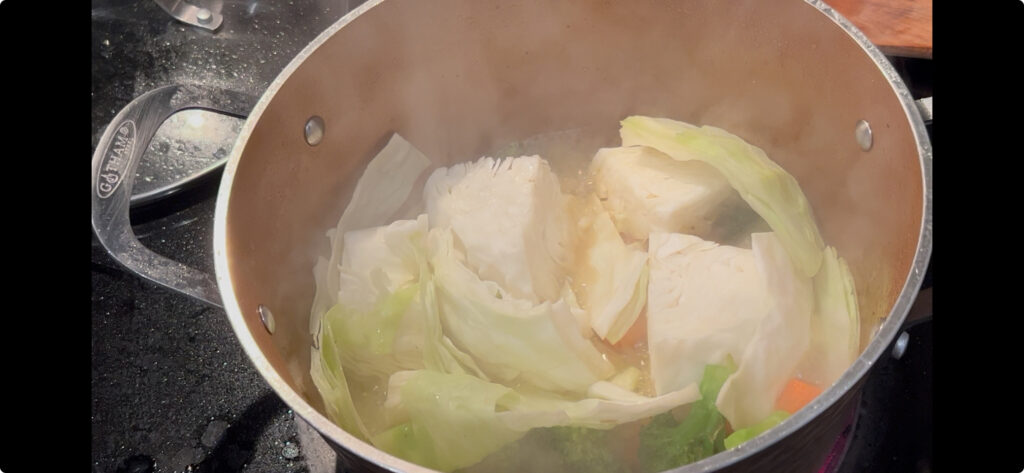
Introduce the cellulose-heavy matter (Vegetables).
- The Goal: You are seeking to soften the cell walls through brief thermal exposure while retaining the water-soluble vitamins. This is Flash-Thermolysis.
Step 5: Emulsification & Integration (The Sauce)
Combine the reagents. The sugar and oyster sauce create a viscous coating through Reduction. As the water evaporates, the solutes become more concentrated, binding the glutamates (Soy) to the gelatinized starch (Noodles).
III. CONCLUSION: CONNESSIÓNE
You have just performed a complex series of chemical engineering tasks. You used:
- Physics: Thermal dynamics and heat transfer.
- Chemistry: Covalent bonding and enzymatic reactions.
- Math: Ratio and Proportion (The Audit Sauce).
In the Council’s world, you are a “User.” In this kitchen, you are a Scientist. You have bypassed the corporate supply chain to create a primary signal from raw chemical components.